Tuesday, April 23, 2013

Have a terrible fear of going to the dentist but, you know you need to go!


Dental anxiety is a common problem that many people face when dealing with an oral health issue. However, it is essential for you to overcome your fear so that you can receive proper dental care. Fortunately, dental professionals are familiar with the concerns of their patients, and a quality dentist will go out of their way to make you feel comfortable during your visit. If you know that a dental appointment is in your near future and you are feeling scared, then here are a few of the best ways to alleviate your anxiety.
Identify Your Fear
A fear of going to the dentist can be caused by many different factors. Understand the underlying cause can help you to overcome your fear. Have you had a bad experience with a dentist before? Try remembering that this time will be different. If you are afraid of enduring a long and painful procedure, then talk to your dentist about the pain relief options that are available or discuss breaking up your procedure into smaller appointments. Once you know what is causing your fear, then you can begin to take the appropriate steps to correct the concern.
Learn Relaxation Techniques
On the day of your appointment, there are several things that you can do to relax naturally. However, it is important to practice these techniques prior to your appointment so that you will be comfortable using them in the dental chair. Deep breathing is one type of relaxation techniques on which many patients rely. Your dentist can even help to remind you to breathe if they notice you are tensing up. Listening to music is another natural technique with which many dentists are familiar with their patients using in the office.
Explore Your Options
For those with intense dental anxiety that is not alleviated by natural techniques, many dentists offer several different options. Sedation dentistry is one option in which dental patients are put into a state of calm and relaxation using medication such as nitrous oxide or laughing gas. General anesthesia can also be used for those patients who are uncomfortable with the idea of any major dental work being done while they are awake. Additionally, dentists use a variety of pain-relief techniques that will ensure your comfort. Knowing that no dental procedure should ever cause you pain can help you to feel better about your upcoming visit to the dentist.
Talk to Your Dentist
Many patients are unnecessarily embarrassed about their fear of going to the dentist and may attempt to hide their worries or put off an appointment. However, just talking to your dentist can make a world of difference. Dentists frequently encounter people who are afraid of their dental appointment and will make every accommodation possible to ensure your comfort. By talking to your dentist, you can make plans for pain relief, sedation or other techniques that will establish a safe and comfortable environment for your visit. Finally, remember that putting off a dental visit can only make the problem worse. Instead, speak with the dental staff when you make your appointment and let them help you handle your concerns.


A Family Dental Care Center: Dr. Seth Rosen
2030 West Main St.
Jeffersonville, PA 19403

Wednesday, April 10, 2013

Why do our teeth turn yellow!?


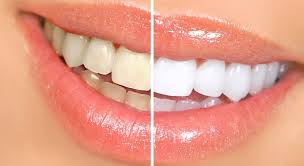
Many Americans obsess about the color of their teeth. After a while, our teeth are no longer pearly white, they get a yellowish tint that drives people crazy. Many people don’t realize that there are a number of things we can do to prevent our teeth from turning this yellowish color. On top of ways to prevent it, there are also many ways to bring back the white and get that perfect smile everyone wants.
The tooth is made up of four different tissues. The enamel is the strong white covering that protects the tooth from wear and tear of chewing food. Dentin supports the enamel. It is a hard, yellow material that carries the nerves in your teeth. The pulp is the center of the tooth. It contains nerves, blood and lymph vessels. This part is where the tooth receives nourishment and transmits signals to the brain. The fourth part is called the cementum. This covers the root of the tooth. It attaches the teeth to the bones in your jaw.
The key reason teeth turn the yellowish tint is that when people eat, drink, or smoke, a layer of film develops on the tooth. Even with brushing on a regular basis, some of the film is still left. Brushing with a whitening toothpaste and regular visits to the dentist with help get rid of even more film. However, some film still remains and it eats away at the enamel. The enamel is what makes the tooth white so when the enamel thins, the dentin (yellowish bone-like material) starts showing through. This is what gives off the yellowish tint.
Age also affects discoloration of the teeth. Teeth darken simply with age. Regular visits to the dentist can also prevent tooth decay, a leading cause of discoloration.
If younger people have issues with yellowish teeth, it’s more than likely from staining, not from long-term thinning of the enamel. Staining can happen on the inside or outside of the tooth. Inside staining happens when your teeth are developing and is probably caused by medications taken as a baby.
The outside staining is caused by several things. Drinking a lot of coffee, red wine, smoking and certain types of foods cause outside staining. Soda, tea and berries contain chromogenic agents which stain your teeth. Even some types of medication taken as an adult can cause staining. One common drug is minocycline which is used to treat facial skin conditions. Extensive use of fluoride can also cause chalky white spots to appear. A minimal amount of fluoride can be healthy for your smile but like many things, too much can do more harm than good.
There are many ways to whiten your teeth. However, you may want to be careful with which products you use or in which way you decide to whiten your teeth. The most common way people whiten their teeth is to have a dentist do it. This sometimes takes more than one visit and can get pretty costly. Whitening strips are used by placing the strips over your teeth. These strips contain a hydrogen peroxide bleaching agent. Most strips however, do not allow active oxygen to penetrate the teeth; this makes all the efforts of truly white teeth in vain. Some strips or trays can take up to two hours a day. Who has that kind of time for white teeth?

A Family Dental Care Center: Dr. Seth Rosen
2030 West Main St. Jeffersonville, PA 19403
Wednesday, April 3, 2013

Causes and Treatments of Bad Breath


Bad breath, or halitosis, has been an embarrassing issue for many people throughout human history, and may be caused by either poor dental hygiene or some other health problem. Effectively managing bad breath will depend on pinpointing its source, and your dentist can determine what’s wrong and establish an appropriate treatment plan.
Up to 90% of all bad breath cases are thought to originate in the mouth. Common sources include food particles trapped between your teeth and on your tongue’s surface, a buildup of bacterial plaques on your teeth, and advanced gum disease, which left untreated frequently leads to tooth decay and jawbone damage.

Other common causes include strong-smelling foods and flavorings whose odors linger in the mouth such as curry, garlic and certain cheeses, and acidic or alcoholic beverages like coffee and beer may also be factors. Also, the chronic use of tobacco products can contribute to bad breath in addition to staining your teeth and irritating your gums.
Persistent halitosis, however, may signal another type of medical condition such as xerostomia, or dry mouth, in which not enough saliva is present to wash away bacteria and dead cells to help keep the mouth clean. Dry mouth can be caused by insufficient saliva production or continuous mouth-breathing, or it may be a side effect from a medicine.
Other conditions that can cause bad breath include bronchitis, pneumonia, persistent acid reflux, diabetes, and kidney or liver problems, so it is important to be aware of those possibilities and inform your dentist if you are known to suffer from any if them as this may make your diagnosis much easier.
Not brushing your teeth and tongue properly or often enough, especially right after a meal, will promote the growth of odor-causing bacteria inside your mouth that cause bad breath. To minimize or prevent this, brush and floss twice daily to remove food particles and plaque, then rinse with an antibacterial mouthwash. Drinking plenty of water, reducing or quitting smoking, and avoiding suspected foods or excessive alcohol consumption may also help to remedy the issue.
Wearing dentures that don’t fit well or failing to properly clean them each night might be the problem, so be sure to report any denture issues to your dentist. Other dental appliances, such as braces, also tend to trap food particles and cause halitosis, so make sure you thoroughly clean them every day.
If your halitosis is chronic, your mouth will be examined for additional clues. Depending on the cause, you may be prescribed a special toothpaste or mouthwash to reduce the symptoms, artificial saliva for xerostomia, or you might require treatment for gum disease or tooth decay. If your bad breath is determined not to be mouth related, you might have a condition that needs to be diagnosed and treated by your physician.
Untreated halitosis will likely worsen over time, therefore you are encouraged to address the issue with your dentist in case the underlying cause is something very serious.


A Family Dental Care Center: Dr. Seth Rosen
2030 West Main St.
Jeffersonville, PA 19403

Wednesday, March 27, 2013

Happy Teethster (Dental Care and Easter Candy)

As you are preparing for Easter this year, you may be wary of the chocolate bunnies you’re stocking in Easter baskets or the jelly beans your stuffing in plastic eggs. This is a healthy fear; binging on chocolate and sugary candy can make teeth and gums susceptible to bacteria which causes tooth decay and disease. 


Hydrate Frequently to Avoid Cavities

Sugar, one of the main causes for enamel erosion, not only attracts bacteria but also combines with saliva to form acid. A weak enamel from acid erosion makes teeth vulnerable to bacteria, and creates an environment for tooth decay. Hand your children a glass of water with their baskets of candy. Instruct them to drink plenty of water between each piece of candy. Rinsing your mouth frequently will clean your smile of some acid formation and bacteria from  sugar. Since dry mouth is more conducive to bacteria, hydrating your mouth is a good practice for daily oral hygiene.

Pick the Dark Chocolate Bunny

We not recommend eating a bunny-sized portion of chocolate; however, choosing the dark chocolate bunny over a milk chocolate or white chocolate confection could be better for your dental health. Recent studies suggest ingredients in dark chocolate can reduce your risk of tooth infection. Tannins are natural substances found in the cocoa powder used to make dark chocolate. Tannins disrupt colonies of bacteria that collect along your gum line and in between teeth that could contribute to gum disease. Another benefit of dark chocolate are flavanoids and phenols which contain heart healthy antioxidants.

Use Fluoridated Toothpaste

After a day of eating on candy, your children need extra protection against cavities and bacteria. Make sure to help them brush thoroughly after indulging in sweet treats. A fluoridated toothpaste can help strengthen the mineralization of the tooth enamel, and protect teeth against acid erosion.
Here are a few tips for creating a fun, tooth-friendly Easter basket the whole family can enjoy.  
  • Don’t include hard candies and suckers that linger in the mouth and promote decay by constantly exposing the teeth to sugar.
  • Leave out jellybeans and other soft, chewy candies that can dislodge sealants or fillings and are harder to remove from the tooth’s surface.
  • Pack baskets with healthy alternatives, such as fruit or sugar-free candies and gum.
  • Chocolate candies are also good choices in moderation, as chocolate melts quickly in the mouth, which minimizes the amount of time teeth are exposed to the sugar.
  • Substitute candy with games, such as coloring books or outdoor toys for the warmer weather, including bubbles and sidewalk chalk.  Throw in a fun toothbrush as a great way to promote good dental health!
  • Don’t let sugary treats sit in your mouth for too long. Stick with candy that dissolves quickly or is chewable. Bacteria in the mouth feed off of sugar to create acidic reactions, and when there is a lot of sugar sitting on your teeth for long periods of time, the acid can damage the teeth enamel.
  • Parents may want to limit how much Easter candy their child can eat, especially if he or she ended up with a lot of egg-hunt loot!! What a brilliant idea to not become the “mean parent.” The amount of candy they consume is entirely up to them at this point.
  • Try to have them eat all the candy they want in one sitting, and then get rid of the rest. Dragging out the candy consumption is actually worse for your teeth, because you’re consistently feeding sugar to the bacteria. If your kids eat a lot at once, then they can just brush their teeth and be done with it.
Whether you’re 5 or 35, Easter candy can be incredibly tempting. Who doesn’t indulge in a little chocolate bunny or an assortment of Peeps when spring is in the air? However, too much of a good thing can be a very bad thing - 92% of adults age 20-64 have had cavities in their permanent teeth. In fact, according to the National Institute of Dental and Craniofacial Research, each person in that same age group has an average of 3.28 decayed or missing permanent teeth and 13.65 decayed and missing permanent surfaces. And it’s not just grown-ups: The Pew Center on the States says that about 60% of children have dental decay.
Abstaining from Easter candy is no fun for anybody. Asking a child to watch all their friends find and consume candy right in front of them while they’re left to munch on a celery stick is just cruel. You and your family can still enjoy the Easter season and keep your smiles healthy. Moderation is the key. Limit the amount of candy you and your child consume each day. Don’t graze on candy throughout the day; instead eat it in one sitting to reduce your mouth’s exposure to the harmful acids.  And if you must indulge, then brush your teeth immediately afterward.

A Family Dental Care Center: Dr. Seth Rosen
2030 W. Main St.
Jeffersonville, PA 19403

Wednesday, March 20, 2013

Don't forget your teeth when it comes to Spring Cleaning!


Top 3 Reasons To Get a Spring Cleaning For Your Teeth!

SPRING IS HERE! The longer daylight hours and warmer weather mean spring cleaning for a lot of us. This year, take an hour out of your dusting and organizing to treat yourself to a little spring cleaning of your teeth!  Here are the top 3 reasons to get regular dental cleanings.

* Reason Number One:  Clean, Healthy Teeth Are Attractive 

One of the best ways to keep your smile bright and shiny is to have them professionally cleaned at least every six months. Just like your home, regular maintenance and cleaning does not reach all the nooks and crannies. You do some extensive cleaning and organizing a couple of times a year to keep those hard to reach areas clean. The same goes for your teeth! Regular brushing and flossing is great, but to keep teeth really clean and healthy, a professional cleaning is the only way to remove certain types of plaque and tartar build up.

* Reason Number Two:  Early Detection of Dental Problems

If you don’t clean out the closet, you never see what’s behind all the junk!  Having your teeth professionally cleaned also means that a thorough and careful inspection of each tooth’s health and condition will take place. If there is a small problem, such as a small area of decay, it can be spotted early and repaired before it becomes a bigger, more painful or expensive dental problem. 

* Reason Number Three: Professional Cleaning Helps Prevent Gum Disease

A professional dental cleaning removes plaque and tartar from below the gumline and in hard to reach areas. Bacteria found in plaque have been shown to cause gum disease. Keeping your teeth bright, shiny and plaque free helps maintain healthy gums. If it’s been a while since your last professional dental cleaning, never fear! It’s not too late to get back on track to good oral health!


Other helpful reminders!

* Take Time for Toothbrush Care

While cleaning up the rest of the house from the winter blues, take a moment to consider how long it’s been since you’ve had a new toothbrush. It’s important to buy new toothbrushes and change them out on a regular basis – every three months is a good guideline. Make sure the toothbrush you choose fits comfortably in your hand and your mouth, and that the bristles are soft to avoid any unnecessary injury to gum tissue. Since it’s cold and flu season, it’s also essential to remember to promote long-term good health by replacing your toothbrush to avoid spreading germs.


* Spring into a Wellness Routine


In the hustle and bustle of the winter holidays, it’s easy to let life take over and slip out of good habits like brushing and flossing teeth regularly. Re-establish these good dental habits now that spring has arrived!Start with brushing your teeth twice a day, once in the morning and once at night before bed. To protect teeth even more, carry a travel toothbrush in your purse or car in order to brush after eating a healthy lunch.Floss or floss picks are also very convenient tools to have in your purse or car. Floss is an important but often neglected way to take care of your teeth by getting food particles and plaque build up out of hard to reach areas between teeth. It’s essential for good dental health to floss once a day – before bed is the easiest way to make it part of a good dental routine!


A Family Dental Care Center: Dr. Seth Rosen
2030 West Main St.
Jeffersonville, PA 19403


Wednesday, March 13, 2013

Fun Facts of Human and Animal Teeth

We are all a bunch of Animals!

People and animal teeth have the same basic make up, although the shape and positioning may vary by species. All vertebrates have teeth – that means any animal including humans that have backbones. Teeth for any animal consist of a mix of calcium, mineral salts and phosphorus.

Those 32 teeth in your mouth have some interesting characteristics. For example, eight of them are incisors, or teeth that cut or tear. Two are molars that don’t come in until you are older. It is not always easy to get kids interested in proper dental hygiene. Try laying a few facts on them as they brush to make it fun.

Looking for ways to motivate your child to brush his or her teeth? Why not compare their teeth to those of their favorite animals? After all, everyone loves fun facts. Like people, some animals have several different kinds of teeth, while others have only one kind. Others don’t have any teeth at all! Animals’ teeth also give us clues about what they eat. Here are some fun facts comparing human teeth and animal teeth we thought you might enjoy.
  • – When you see a hippopotamus opening its mouth, it seems as though they have only four teeth! But they actually have 40 pearly whites.
  • – Dogs have more teeth than humans and rarely get cavities because their saliva has an extremely high pH, which prevents demineralization.
  • - An elephant’s molars can weigh up to 10 lbs. They fall out every 10 years and new ones grow in to replace them. Elephants can have up to six new sets of teeth during a lifetime.
  • - The teeth of the pocket gopher grow up to 15 inches a year!
  • - The blue whale is the largest mammal on earth, but it dines exclusively on tiny shrimp because it has no teeth
  • - The Giant Armadillo, common in the southwest, has the most teeth of all the animals. There can be as many as 100 teeth at one time.
  • - Snails can have more than 25,000 teeth, which are located on the tongue.
  • - Dolphins only get one set of teeth to last a lifetime and typically have around 250 teeth. This number can change for each type of dolphin, but the average has been determined to be around 250. As dolphins grow older, they will grow new layers over their teeth to keep them strong.
  • - And here’s one from prehistoric times! The Tyrannosaurus Rex, or T-Rex, had more than 60 thick, conical, bone-crunching teeth that were up to 9 inches long. Its jaws were up to 4 feet long.
  •  - It is not true that George Washington used only wooden teeth. He did wear dentures though, because the president suffered from severe tooth disease. To replace what was missing, the dentist one made dentures out of cow, hippopotamus and walrus teeth.
- The Hindus of India were the first recorded group to brush their teeth. They used a twig frayed to create bristles. The first bristled toothbrush came from China in 1498. The original bristles were from hogs, horses and badgers. A commercial toothbrush appeared in 1938, however, in the 1700s, one inventor made a similar tool out of cattle bone and swine bristles. Toothpaste at one time contained only wine and pumice.


A Family Dental Care Center
2030 West Main Street #9 in West Norriton, PA
610-630-3400


Wednesday, January 23, 2013

Top Ten Things You Should Never Say to a Dentist


Number 10: My face was swollen a few weeks/months ago, but it went away, so I didn’t do anything about it.
            Infections of the head and neck can kill you. Death is bad. That swelling was your body’s way of telling you that something is wrong. Your immune system was able to get the infection under control, or you took some of the antibiotics that you found left over in the medicine chest. The next time the swelling occurs it will be worse, a whole lot worse. These are the kind of swellings that we see every day. The next infection can block off your airway or require a nice stay at Hotel du Hospital.

Number 9: I’m only coming to you because you take my insurance.
            Thanks. I can feel the confidence from over here. Your insurance does not care about your health and well being, I do. You must be confident in the doctor you have chosen. Do your research. Ask friends and family. Do not go off the insurance website.

Number 8: I’m not having that treatment done because a friend of my sister (insert relationship here) had that done and it didn’t work (insert caused pain, disfigurement, or death).
            It is always an unknown entity that has had the failed treatment. I have heard this excuse hundreds of times. It used to be related to root canal therapy, now it is usually toward dental implants. I love this excuse because dental implants are still a rare occurrence in this country. The chances that someone you know knows someone that had this done are slim to none. They aren’t trying to lie to you, they are just plain confused or misled. Trust me, it never happened. How do I know? I have placed over 3,000 dental implants. I have had no cases of death and disfigurement. I have had implants fail, as one would expect, but the end result was a happy patient with a chewing tooth.

Number 7: Do I really need that filling (insert whatever you need)?
            Again, thanks for the vote of confidence. I would never tell my patient that they needed something that wasn’t true. If you question what your dentist is telling you then get a second opinion. No harm, no foul. In my practice I urge my patients to get second opinions. We give them all the information necessary to do that including x-rays, photos, models, as well as a written description of the service recommended.

Number 6: My tooth only hurts when I do this. As long as I don’t do that, my tooth is fine. That is why I didn’t come in sooner.
            You may have caused harm by delaying your treatment. The initial discomfort was your body’s way of telling you that something isn’t quite right. Your teeth cannot heal themselves. No amount of over the counter toothpastes, rinses, or medication can reverse what is going on. You cannot reverse even the smallest cavity. I don’t care what the actor on television told you.

Number 5: I’m only coming to you because my dentist didn’t have an appointment available to treat my emergency.
            Find a new dentist. There is nothing worse than a toothache. If your dentist cannot be bothered to make time in their day for you then they are not the right fit for you, or anyone. It is our promise to all the people in our local community that we are there to serve them. That is my job. If your dentist does not feel the same, then why go there.

Number 4: When you are done looking at my child’s problem, can you check out my teeth?
            If you have a problem then make an appointment for yourself. My concentration will be on why your child is here today. I will not stop what I am doing and browse the contents of your mouth. Sorry.

Number 3: You charged my insurance company for a one minute visit?
            We must document every visit to your insurance company. It is in our contract with them. Every encounter helps to draw a picture regarding your treatment. The insurance company uses the information to keep tabs on the doctors. Many small visits, quick checks or updates to treatment, will go unpaid by your insurance company. Every office has its own policies whether to write off the amount you are told you owe by your insurance company. Don’t forget that even a quick appointment takes fifteen to twenty minutes to clean and disinfect the room. Some offices feel the need to charge for these quick visits. We feel that most quick visits are related to ongoing treatment and will not charge for them.

Number 2: I didn’t want to bother you over the weekend, but…
            That is my job. I don’t really want to be bothered on the weekend, but my family understands that emergencies happen. I am here to serve my local community. There is an exception…do not call me and tell me that the tooth broke last week/month/year, but you couldn’t find the time to get in.

Number 1: I hate you.
            Why would you ever say that to anyone? I hear it two to three times a day. It is not funny or poignant. I am here to serve you and you came to me. I am about to have some very sharp instruments near very delicate structures. Respect what the dentist does for you and we’ll all get along just fine.


A Family Dental Care Center: Dr. Seth Rosen
2030 West Main St
Norristown, PA 19403
610-631-3400
www.drsethrosen.com