Tuesday, May 21, 2013

How to avoid the most common dental scams!

The Implant Pyramid Scheme

You need a tooth replaced and your dentist recommends an implant. You go home and notice there are several dentists in your area that are offering implants at a special rate. Many of these offers may lead to you paying more then you should. This is how these scams work. They advertise a ridiculously low price for an implant with some fine print that leads to one of the following money bilking scams:
1) Immediate add on fees. This may be an examination fee or radiographs
2) Latent add on fees. These are added to the implant surgery to pad your bill
3) Post surgery add on fees
4) Restoration gouging

First make sure the dentist will do any necessary radiographs and examinations for free. We need the information on the radiographs to determine the size and shape of the implant. Get copies of all records before you leave that day even if they are free. In Pennsylvania, the law is very clear, the records are yours for free. The dentist may put a charge on your account for the duplication, but it is uncollectible. DO NOT PAY FOR YOUR RECORDS IN PENNSYLVANIA!

The next step will be a second opinion. Then get a third opinion. Did all three agree about the surgery? Grafting is only needed in extreme situations where we need to grow new bone. Over eighty percent of implants can be place without grafting. If grafting is needed get the graft receipt. Most bone used today is from a human source, which means it must be identified and registered with the FDA.

All implants require a period of healing and check ups to make sure everything is healing well. This should be included in the surgery for free. Most implants require three to four post operative checks and you should not pay for them.

There are three parts to most implants. The implant itself is the titanium fixture placed in the jaw. The second part is the post, which screws into the implant to give the dentist something to cement to. The third part is the crown, which looks like a tooth. The crown can be cemented or screwed down. THere is no reason that you should be forced to have the implant restored by the placing dentist. This avoids getting gouged on the last two parts of your implant. The implant dentist should welcome this scenario and give your dentist the information and parts necessary to restore the implant.

Remember those second and third opinions? Good. Now compare prices. Get a fee for just the implant and get a fee for restoring the implant. Get this in writing. Now you are an educated consumer and will get the best value for your money.

A Family Dental Care Center: Dr. Seth Rosen
2030 West Main St.
Jeffersonville, PA 19403

Tuesday, May 14, 2013

What is Gum Disease?


Gum disease is a degenerative infection of the oral tissue supporting your teeth. It is normally caused by poor oral hygiene. After years of neglect, a build-up of plaque eventually forms under the gum line. This stage is called gingivitis; it’s the mildest form of periodontitis. It usually goes unnoticed until physical symptoms begin.
Symptoms of gingivitis include swollen gums and light bleeding when brushing or flossing your teeth. As gingivitis worsens your gums may bleed freely when brushing or eating. If these conditions persist, you could lose your teeth. The plaque grows slowly but surely, lifting the gum away from the bone. That creates pockets around your teeth. Those pockets are perfect food traps. When food becomes trapped beneath the gum line, it causes more discomfort and bleeding. If you try to dislodge the trapped food by flossing, it can make the pockets even worse. 
If the affected teeth are in the same area and only include a few teeth, the gingivitis is called localized. Generalized gingivitis affects teeth in several areas of the mouth. In its initial stages, before it becomes severe, the condition can be managed by scaling the surface of the teeth. Worse cases may require root planning as well. Post-treatment follow-up care by the patient requires excellent oral hygiene. Daily flossing after meals and twice-daily brushing with a soft-bristled brush are required to keep plaque from reforming. It takes about three to four months for the plaque to build up to the point where it needs to be scaled again. Your dentist or periodontist can schedule regular cleanings to prevent further bone loss or the loss of your teeth.
If the condition worsens, surgery may be required. To prevent its recurrence, the gum line is trimmed back to reduce the depth of the pockets surrounding the teeth. That makes it easier for you to floss effectively and keep the area clean. People with diabetes, compromised immune systems or a genetic predisposition to gum disease must be extremely vigilant after having periodontal work performed. A lifetime of good habits are necessary to maintain your teeth. Research has shown that periodontitis can even cause cancer and high stress levels.
Studies have determined that pregnant women who already have gingivitis are more likely to have a pre-term baby with low birth weight. In fact, the mothers themselves are especially at risk for periodontitis. Between sixty to seventy-five percent of pregnant women will experience gingivitis in their second trimester. Their high levels of the hormones estrogen and progesterone cause the gums to become more susceptible to the bacteria that creates plaque. “Pregnancy gingivitis” causes excess bacteria to enter your bloodstream. From there, it travels to the uterus, increasing the production of prostaglandins. The prostaglandins start uterine contractions that can induce false or premature labor.
If you’re pregnant and have good oral health, continue your brushing, flossing and regular exams with your dentist. If you require dental work during your pregnancy, wait until your second trimester to lower the risks that could occur during the first trimester, when your baby’s important organs are being formed. Postpone any non-essential dental work until after your child is born.
With the introduction of LANAP, (Laser Assisted New Attachment Procedure), Dr. Scott Smith, at Center for Periodontal and Implant Dentistry, is able to remove and kill only the bacteria within the pockets of your gums while leaving the healthy tissue behind to reattach to the root surface! Why is this important? You can now enjoy less pain, less discomfort, less recession, less sensitivity, and much better and more predictable long-term results. LANAP is the first and only FDA cleared laser protocol on the market and has been proven through extensive science and research studies in the United States and abroad. Quite simply it is the highest standard of care available in the world for the treatment of gum disease. Often Dr. Smith can save teeth that have previously been deemed hopeless by naturally regenerating the bone around the tooth.If saving your teeth, reducing your pocket depths, and maintaining optimum periodontal health is important to you, this is a treatment that you must consider! Give Dr. Scott Smith a call at 610-265-7023.


A Family Dental Care Center: Dr. Seth Rosen
2030 West Main St.
Jeffersonville, PA 19403


Tuesday, May 7, 2013

Causes and Treatments of Tooth Sensitivity


A Pain in the Tooth!

It’s that sudden, sharp shooting pain that you feel in a tooth or set of teeth after eating food or consuming a drink. The discomfort can be excruciating until you eliminate the source and cause of the sensitivity. Approximately 38% of adults have experienced and suffer from tooth sensitivity.

Tooth sensitivity often occurs after consuming foods that are sweet, sour, hot, cold or acidic. The sensitivity can even occur after simply breathing in cold air. So, what causes tooth sensitivity and how can you treat it?
What Causes Tooth Sensitivity?
When the underlying layer of your tooth, called dentin, is exposed, thousands of tiny tubules also become exposed. These tubules lead to your tooth’s nerve center. When they become stimulated from the food you eat, you experience tooth pain and sensitivity.
Several factors may be responsible for your tooth sensitivity: tooth decay, your age, tooth whitening, excessive brushing, gum disease, plaque, dental procedures, recessed gum lines, cracked teeth and acidic foods.
How is Tooth Sensitivity Treated?
To get rid of the tooth pain, you must determine what is causing the tooth sensitivity. Regular dentist visits and professional teeth cleaning ensure optimum health for you and your teeth. Your dentist can determine any problem areas and give you tips on improving and getting rid of the sensitivity.
A talk with your dentist can then help you determine if specific foods are triggering the sensitivity and prescribe you fluoridated toothpaste to fight sensitivity.
The quickest way to treat tooth sensitivity is to visit your dentist for proper diagnosis and care. If you have gum disease, a cracked tooth, damaged dental crowns or fillings, receding gum lines, or are known to grind your teeth, your dentist can properly diagnose the cause and determine the appropriate treatment.
Dental procedures such as white fillings can be applied to cover the exposed roots and nerves of your tooth. Professional strength fluoride as well as sealer treatments can also be applied to your sensitive teeth by your dentist.
Don’t spend another day in pain. Eliminate tooth discomfort and sensitivity by determining the exact cause of your sensitivity and applying the correct procedure and treatment to fix it. Contact your dentist to help you get your smile back without the pain. You and your teeth will be glad you did!

A Family Dental Care Center: Dr. Seth Rosen
2030 West Main St.
Jeffersonville, PA 19403

Tuesday, April 30, 2013

10 Healthy Foods For Your Teeth


You smile what you eat. Okay, so that’s not exactly how the motto goes, but the truth is, the foods you eat can be as important to the maintenance of those pearly whites as brushing and flossing. By making better food choices, patients can aid in the fight against bacteria, plaque and other germs that cause bad breath and tooth decay over time. Mixing these 10 chomper-friendly foods into your meals will help you avoid frequent trips to the dentist and ensure your smile stays fresh and bright for years to come.
1. Cheese
Oh c’mon, this one should be easy to remember. What else do you associate with “cheese” but a big, bright, bountiful smile? A cube a day can help to rebuild tooth enamel and kill cavity-causing bacteria.
2. Celery
Let’s face it, chewing celery is not for the fainthearted. You work up a sweat chomping on hearty raw vegetables like celery and carrots. The good news is all that extra chewing creates extra saliva in your mouth that can help fight bacteria that causes gum disease. It also helps to clean other food particles from your teeth.
3. Parsley
Just when you thought those fancy green twigs on the plate were for show only, someone goes and finds a use for them. Parsley actually helps to keep your breath fresh after a meal. A substance in parsley called monoterpene moves quickly through your bloodstream once digested and emits a smell through your lungs that naturally freshens your breath.
4. Onion
It’s probably a little strange to think that the arch enemy of fresh breath could have any positive effect on your teeth, but it’s true. Raw onions can also help to kill various bacteria in your mouth that could lead to tooth decay. So feel free to skip the onions. But please enjoy a post-meal brushing for dessert.
5. Kiwi
Kiwis are loaded with vitamin C, which increase the collagen in your gums and make them stronger. Enjoy them on a fruit salad for lunch — yummy strength training for your gums!
6. Sesame seeds
Like celery and carrots, these little darlings help to scrape plaque off your teeth and are also surprisingly packed with loads of calcium that make your teeth and gums stronger and healthier.
7. Shiitake mushrooms
Another antibacterial shocker, these mushrooms contain a sugar that helps to prevent plaque from forming on your teeth.
8. Wasabi
Talk about a hot commodity. Piling up the punchy green paste alongside your favorite Asian cuisine will also help to fight cavities by preventing certain bacteria from growing in your mouth.
9. Green tea
Add another positive to the list of things green tea can do: stimulate, soothe, and save your teeth. Whether you enjoy yours hot or cold, sipping regularly will help prevent cavities and freshen your breath.
10. Water
For the majority of good eats gurus and health and fitness enthusiasts, water can do no wrong. It hydrates, cleanses, quenches and cleans, but it also helps to build saliva which naturally fights cavity and plaque-causing bacteria.


A Family Dental Care Center: Dr. Seth Rosen
2030 West Main St.
Jeffersonville, PA 19403

Tuesday, April 23, 2013

Have a terrible fear of going to the dentist but, you know you need to go!


Dental anxiety is a common problem that many people face when dealing with an oral health issue. However, it is essential for you to overcome your fear so that you can receive proper dental care. Fortunately, dental professionals are familiar with the concerns of their patients, and a quality dentist will go out of their way to make you feel comfortable during your visit. If you know that a dental appointment is in your near future and you are feeling scared, then here are a few of the best ways to alleviate your anxiety.
Identify Your Fear
A fear of going to the dentist can be caused by many different factors. Understand the underlying cause can help you to overcome your fear. Have you had a bad experience with a dentist before? Try remembering that this time will be different. If you are afraid of enduring a long and painful procedure, then talk to your dentist about the pain relief options that are available or discuss breaking up your procedure into smaller appointments. Once you know what is causing your fear, then you can begin to take the appropriate steps to correct the concern.
Learn Relaxation Techniques
On the day of your appointment, there are several things that you can do to relax naturally. However, it is important to practice these techniques prior to your appointment so that you will be comfortable using them in the dental chair. Deep breathing is one type of relaxation techniques on which many patients rely. Your dentist can even help to remind you to breathe if they notice you are tensing up. Listening to music is another natural technique with which many dentists are familiar with their patients using in the office.
Explore Your Options
For those with intense dental anxiety that is not alleviated by natural techniques, many dentists offer several different options. Sedation dentistry is one option in which dental patients are put into a state of calm and relaxation using medication such as nitrous oxide or laughing gas. General anesthesia can also be used for those patients who are uncomfortable with the idea of any major dental work being done while they are awake. Additionally, dentists use a variety of pain-relief techniques that will ensure your comfort. Knowing that no dental procedure should ever cause you pain can help you to feel better about your upcoming visit to the dentist.
Talk to Your Dentist
Many patients are unnecessarily embarrassed about their fear of going to the dentist and may attempt to hide their worries or put off an appointment. However, just talking to your dentist can make a world of difference. Dentists frequently encounter people who are afraid of their dental appointment and will make every accommodation possible to ensure your comfort. By talking to your dentist, you can make plans for pain relief, sedation or other techniques that will establish a safe and comfortable environment for your visit. Finally, remember that putting off a dental visit can only make the problem worse. Instead, speak with the dental staff when you make your appointment and let them help you handle your concerns.


A Family Dental Care Center: Dr. Seth Rosen
2030 West Main St.
Jeffersonville, PA 19403

Wednesday, April 10, 2013

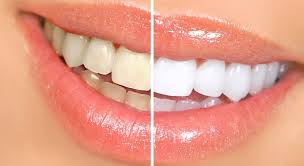
Why do our teeth turn yellow!?


Many Americans obsess about the color of their teeth. After a while, our teeth are no longer pearly white, they get a yellowish tint that drives people crazy. Many people don’t realize that there are a number of things we can do to prevent our teeth from turning this yellowish color. On top of ways to prevent it, there are also many ways to bring back the white and get that perfect smile everyone wants.
The tooth is made up of four different tissues. The enamel is the strong white covering that protects the tooth from wear and tear of chewing food. Dentin supports the enamel. It is a hard, yellow material that carries the nerves in your teeth. The pulp is the center of the tooth. It contains nerves, blood and lymph vessels. This part is where the tooth receives nourishment and transmits signals to the brain. The fourth part is called the cementum. This covers the root of the tooth. It attaches the teeth to the bones in your jaw.
The key reason teeth turn the yellowish tint is that when people eat, drink, or smoke, a layer of film develops on the tooth. Even with brushing on a regular basis, some of the film is still left. Brushing with a whitening toothpaste and regular visits to the dentist with help get rid of even more film. However, some film still remains and it eats away at the enamel. The enamel is what makes the tooth white so when the enamel thins, the dentin (yellowish bone-like material) starts showing through. This is what gives off the yellowish tint.
Age also affects discoloration of the teeth. Teeth darken simply with age. Regular visits to the dentist can also prevent tooth decay, a leading cause of discoloration.
If younger people have issues with yellowish teeth, it’s more than likely from staining, not from long-term thinning of the enamel. Staining can happen on the inside or outside of the tooth. Inside staining happens when your teeth are developing and is probably caused by medications taken as a baby.
The outside staining is caused by several things. Drinking a lot of coffee, red wine, smoking and certain types of foods cause outside staining. Soda, tea and berries contain chromogenic agents which stain your teeth. Even some types of medication taken as an adult can cause staining. One common drug is minocycline which is used to treat facial skin conditions. Extensive use of fluoride can also cause chalky white spots to appear. A minimal amount of fluoride can be healthy for your smile but like many things, too much can do more harm than good.
There are many ways to whiten your teeth. However, you may want to be careful with which products you use or in which way you decide to whiten your teeth. The most common way people whiten their teeth is to have a dentist do it. This sometimes takes more than one visit and can get pretty costly. Whitening strips are used by placing the strips over your teeth. These strips contain a hydrogen peroxide bleaching agent. Most strips however, do not allow active oxygen to penetrate the teeth; this makes all the efforts of truly white teeth in vain. Some strips or trays can take up to two hours a day. Who has that kind of time for white teeth?

A Family Dental Care Center: Dr. Seth Rosen
2030 West Main St. Jeffersonville, PA 19403

Wednesday, April 3, 2013

Causes and Treatments of Bad Breath


Bad breath, or halitosis, has been an embarrassing issue for many people throughout human history, and may be caused by either poor dental hygiene or some other health problem. Effectively managing bad breath will depend on pinpointing its source, and your dentist can determine what’s wrong and establish an appropriate treatment plan.
Up to 90% of all bad breath cases are thought to originate in the mouth. Common sources include food particles trapped between your teeth and on your tongue’s surface, a buildup of bacterial plaques on your teeth, and advanced gum disease, which left untreated frequently leads to tooth decay and jawbone damage.

Other common causes include strong-smelling foods and flavorings whose odors linger in the mouth such as curry, garlic and certain cheeses, and acidic or alcoholic beverages like coffee and beer may also be factors. Also, the chronic use of tobacco products can contribute to bad breath in addition to staining your teeth and irritating your gums.
Persistent halitosis, however, may signal another type of medical condition such as xerostomia, or dry mouth, in which not enough saliva is present to wash away bacteria and dead cells to help keep the mouth clean. Dry mouth can be caused by insufficient saliva production or continuous mouth-breathing, or it may be a side effect from a medicine.
Other conditions that can cause bad breath include bronchitis, pneumonia, persistent acid reflux, diabetes, and kidney or liver problems, so it is important to be aware of those possibilities and inform your dentist if you are known to suffer from any if them as this may make your diagnosis much easier.
Not brushing your teeth and tongue properly or often enough, especially right after a meal, will promote the growth of odor-causing bacteria inside your mouth that cause bad breath. To minimize or prevent this, brush and floss twice daily to remove food particles and plaque, then rinse with an antibacterial mouthwash. Drinking plenty of water, reducing or quitting smoking, and avoiding suspected foods or excessive alcohol consumption may also help to remedy the issue.
Wearing dentures that don’t fit well or failing to properly clean them each night might be the problem, so be sure to report any denture issues to your dentist. Other dental appliances, such as braces, also tend to trap food particles and cause halitosis, so make sure you thoroughly clean them every day.
If your halitosis is chronic, your mouth will be examined for additional clues. Depending on the cause, you may be prescribed a special toothpaste or mouthwash to reduce the symptoms, artificial saliva for xerostomia, or you might require treatment for gum disease or tooth decay. If your bad breath is determined not to be mouth related, you might have a condition that needs to be diagnosed and treated by your physician.
Untreated halitosis will likely worsen over time, therefore you are encouraged to address the issue with your dentist in case the underlying cause is something very serious.


A Family Dental Care Center: Dr. Seth Rosen
2030 West Main St.
Jeffersonville, PA 19403